From Learning to Opportunity: Reflections from DHI's Islamic Finance
For many graduates and professionals with backgrounds in Islamic Studies and Arabic, the move from academic knowledge to professional opportunity is not always obvious. What careers can this knowledge lead to? Where can someone with an Islamic Studies or Arabic background fit within the financial sector? And what skills or certifications are needed to take the next step?
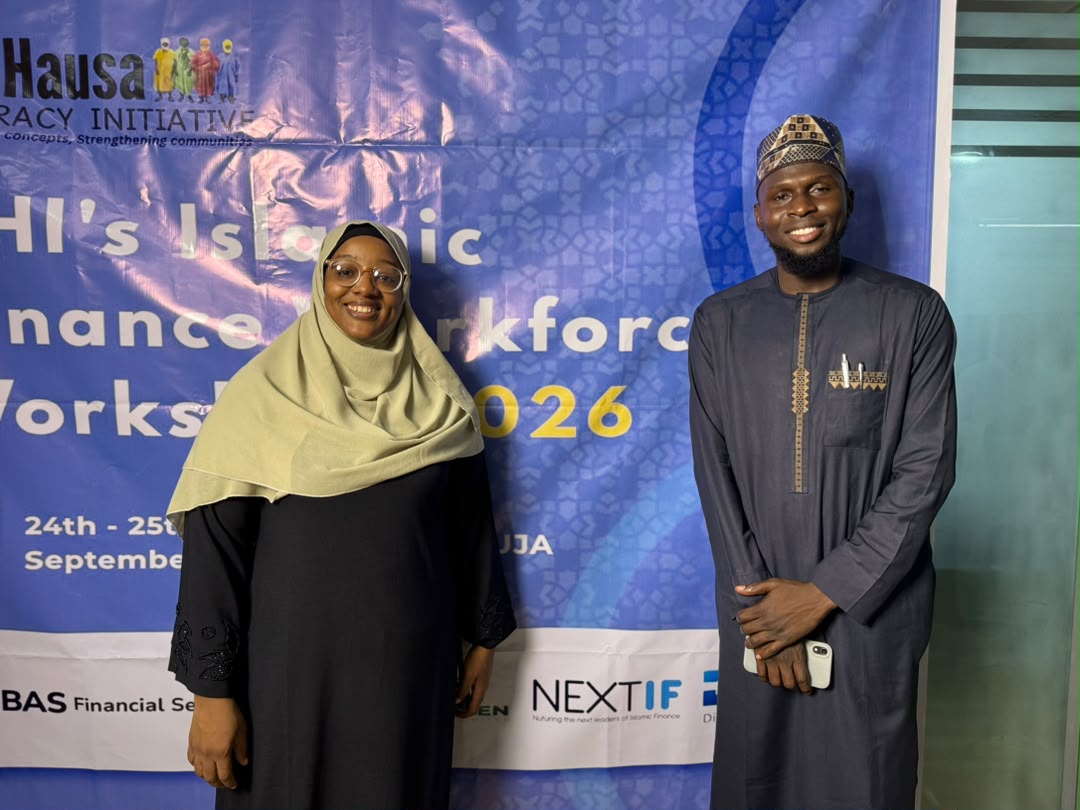
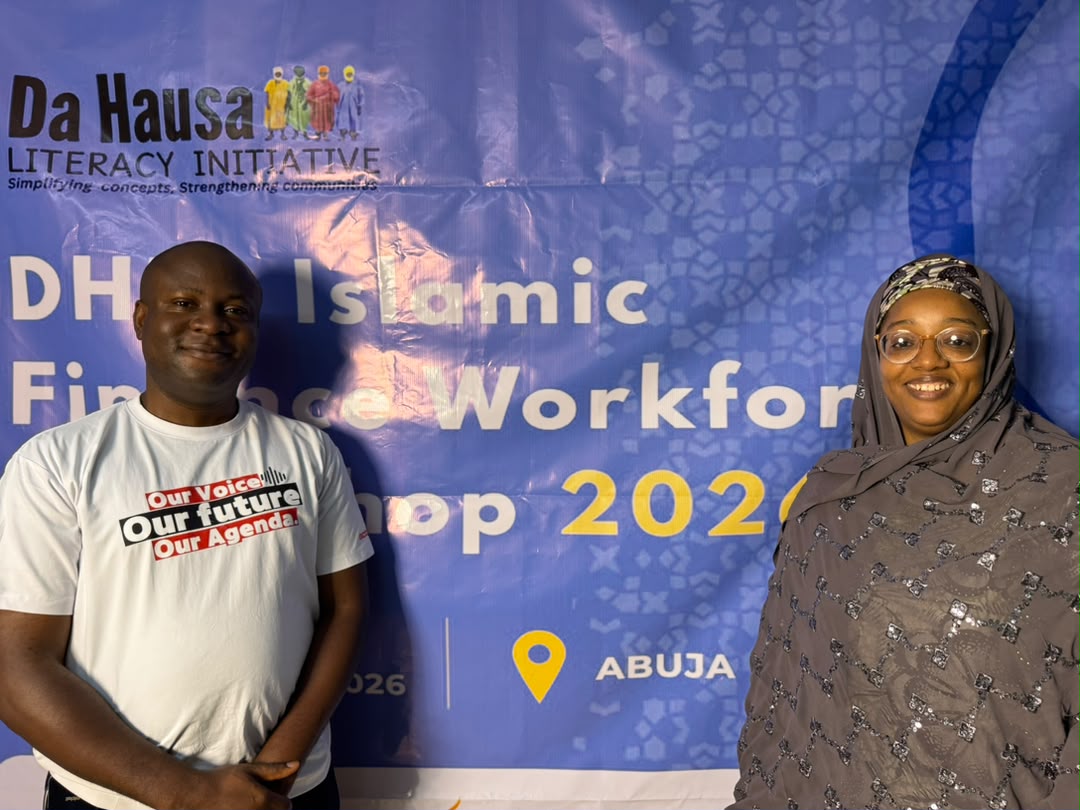
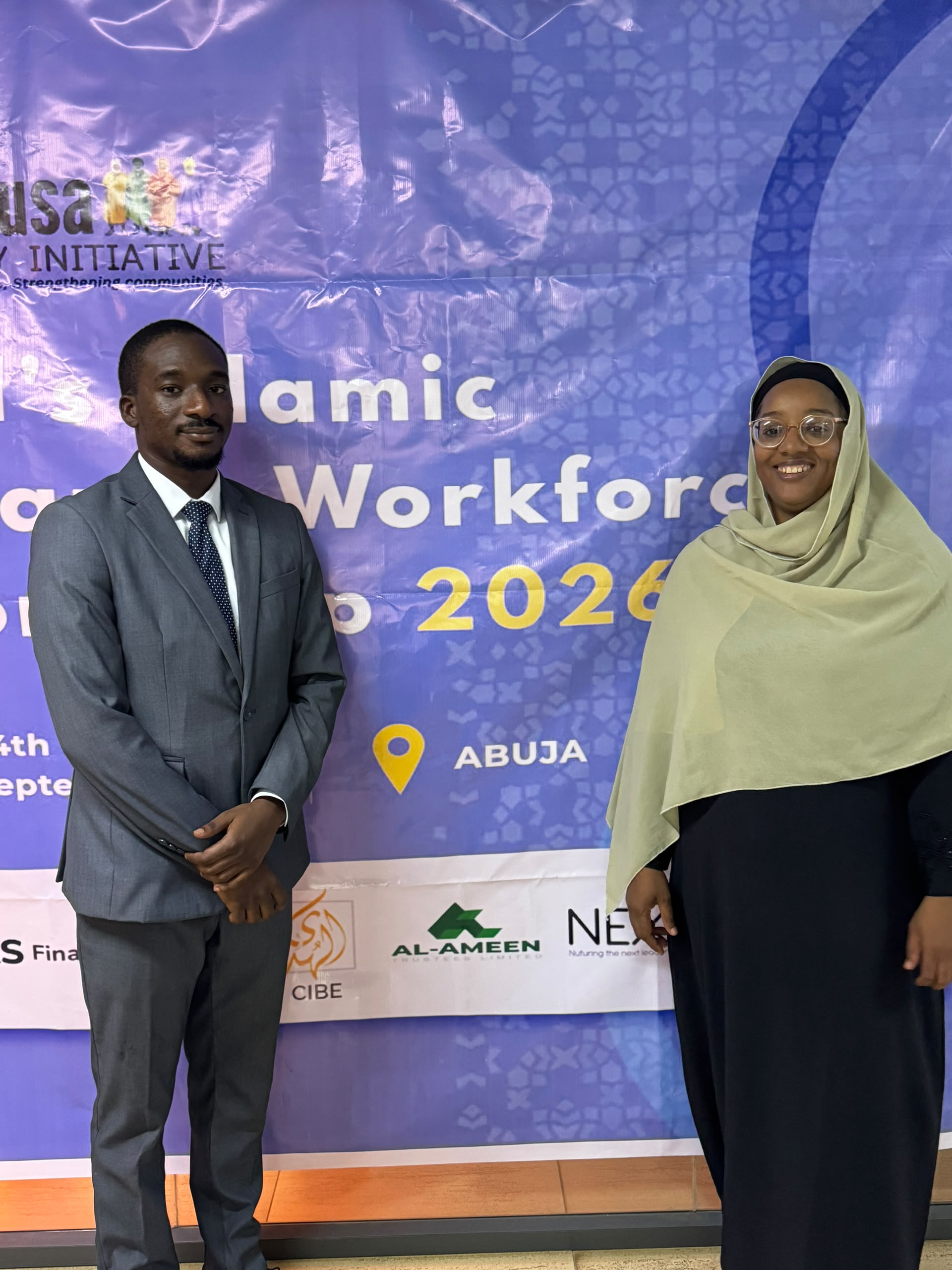
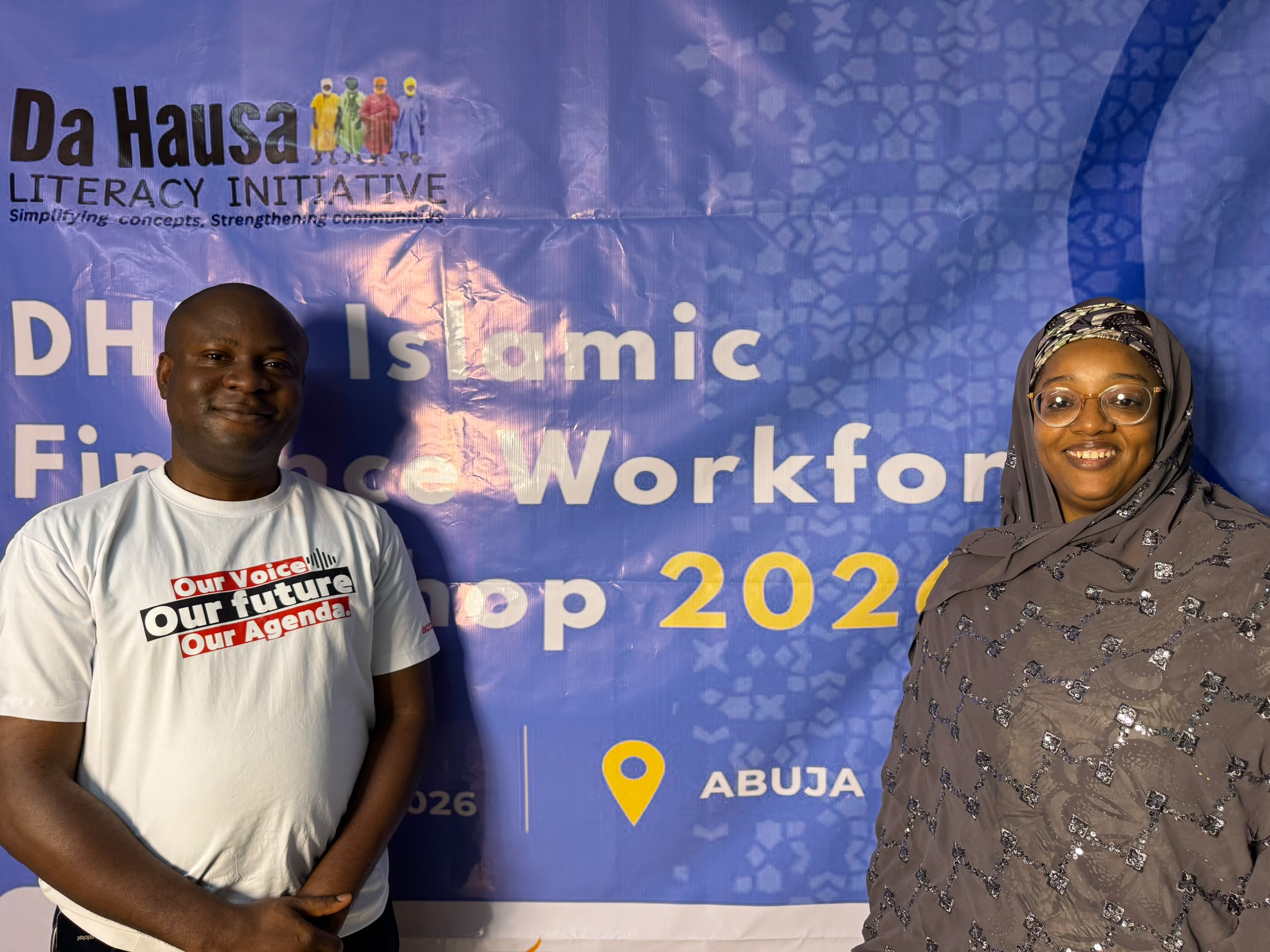
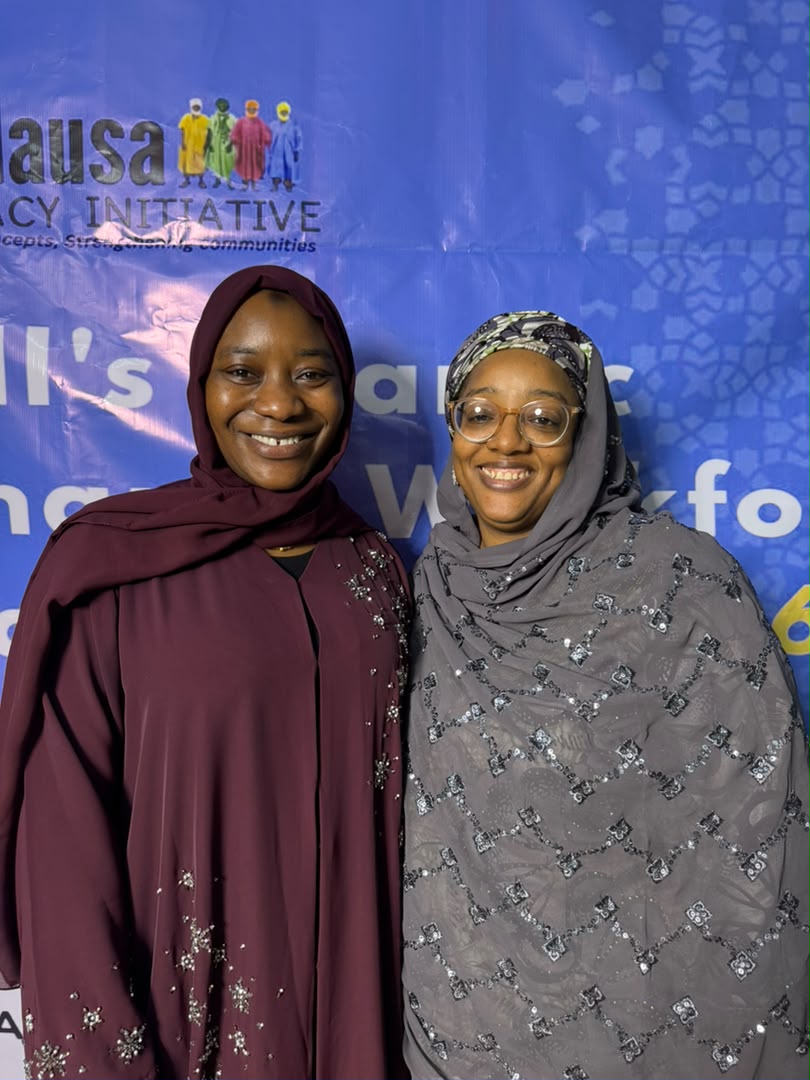
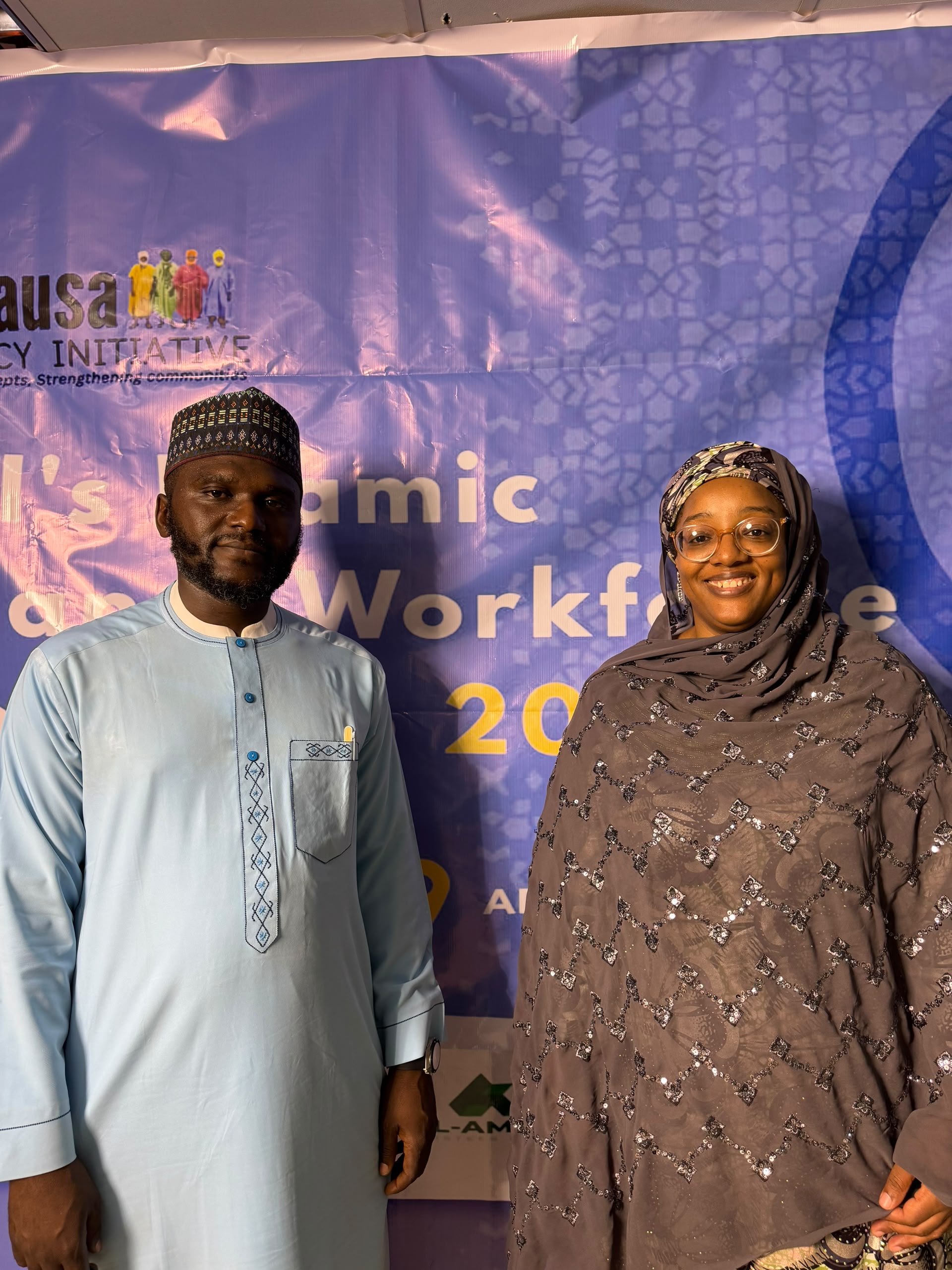
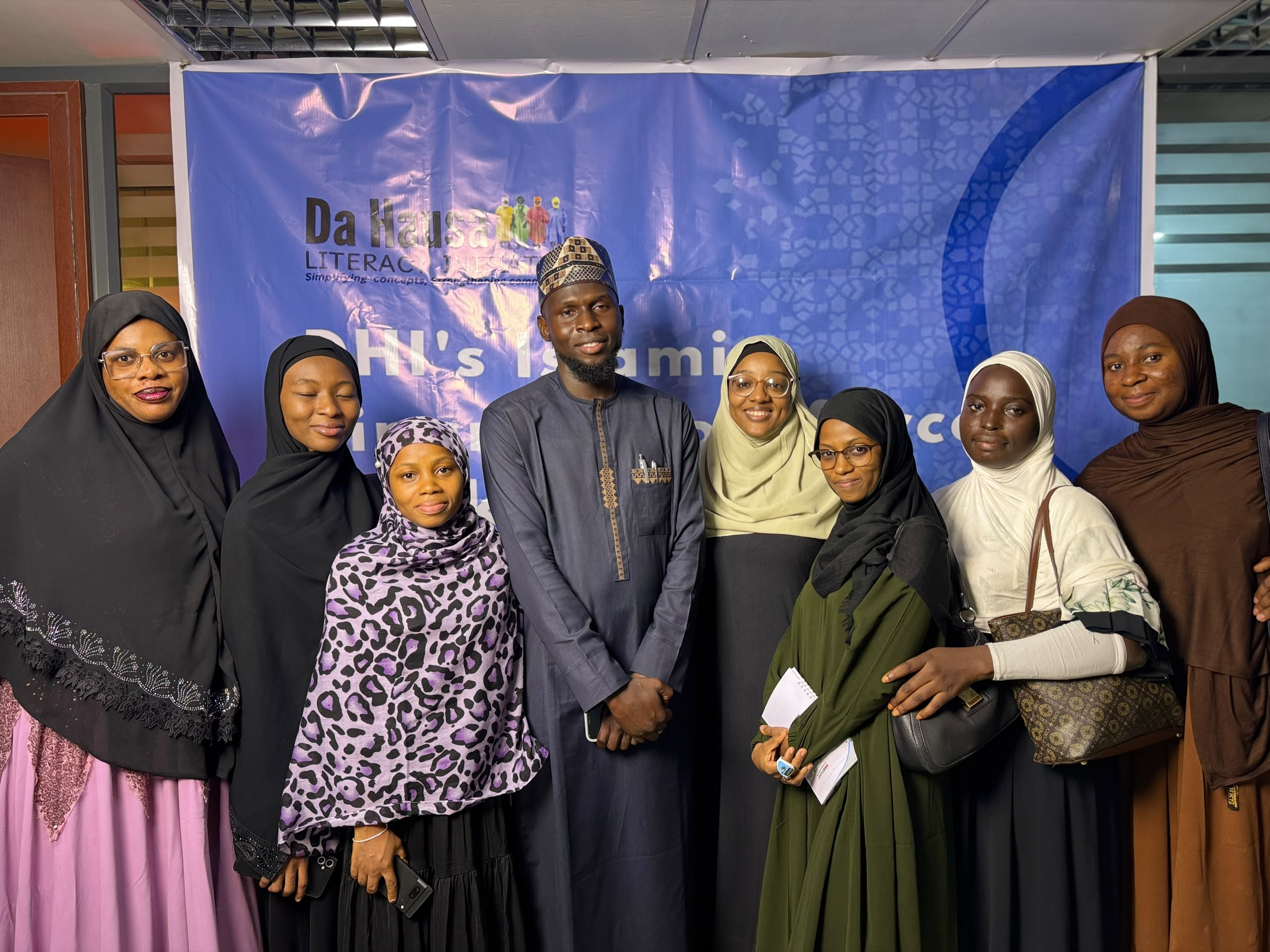
These questions were at the heart of the Da Hausa Initiative (DHI) Islamic Finance Workforce Orientation Workshop, held in Abuja on 24 and 25 September 2026. The workshop was free to attend and open to graduates of Islamic Studies, Arabic and related fields. All 25 seats were filled before the first day, 24 people attended Day 1 and 20 attended Day 2. Its message was written on our flyer: your Islamic education is your competitive advantage.
Since the workshop, we have read the feedback forms completed by participants and facilitators. This post shares what they told us: what landed, what they plan to do next, and what we need to do better.
TWO DAYS OF PRACTITIONER-LED SESSIONS
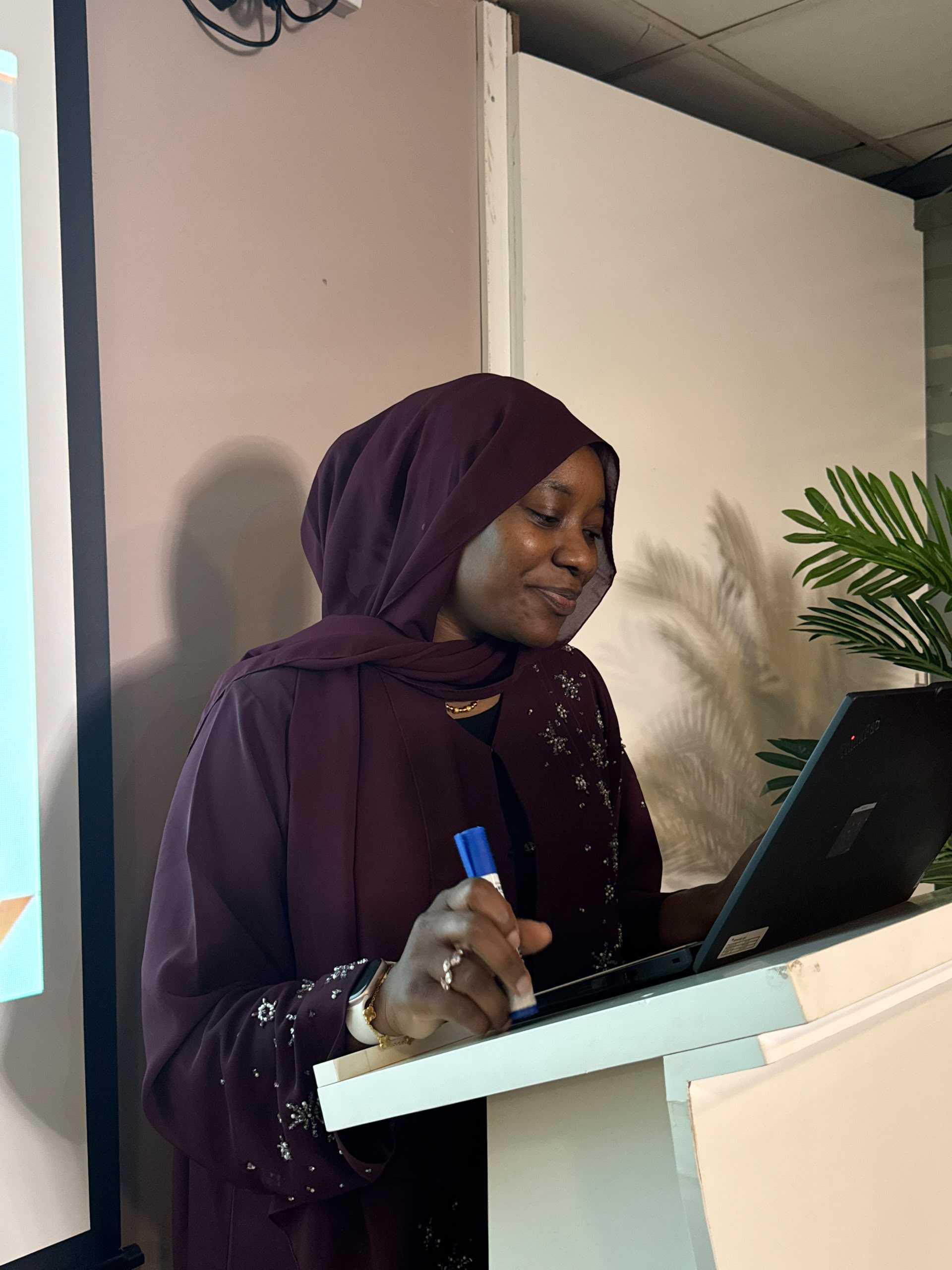
The programme mixed career-orientation sessions with sessions led by practitioners from across the industry. A few of the sessions people talked about most:
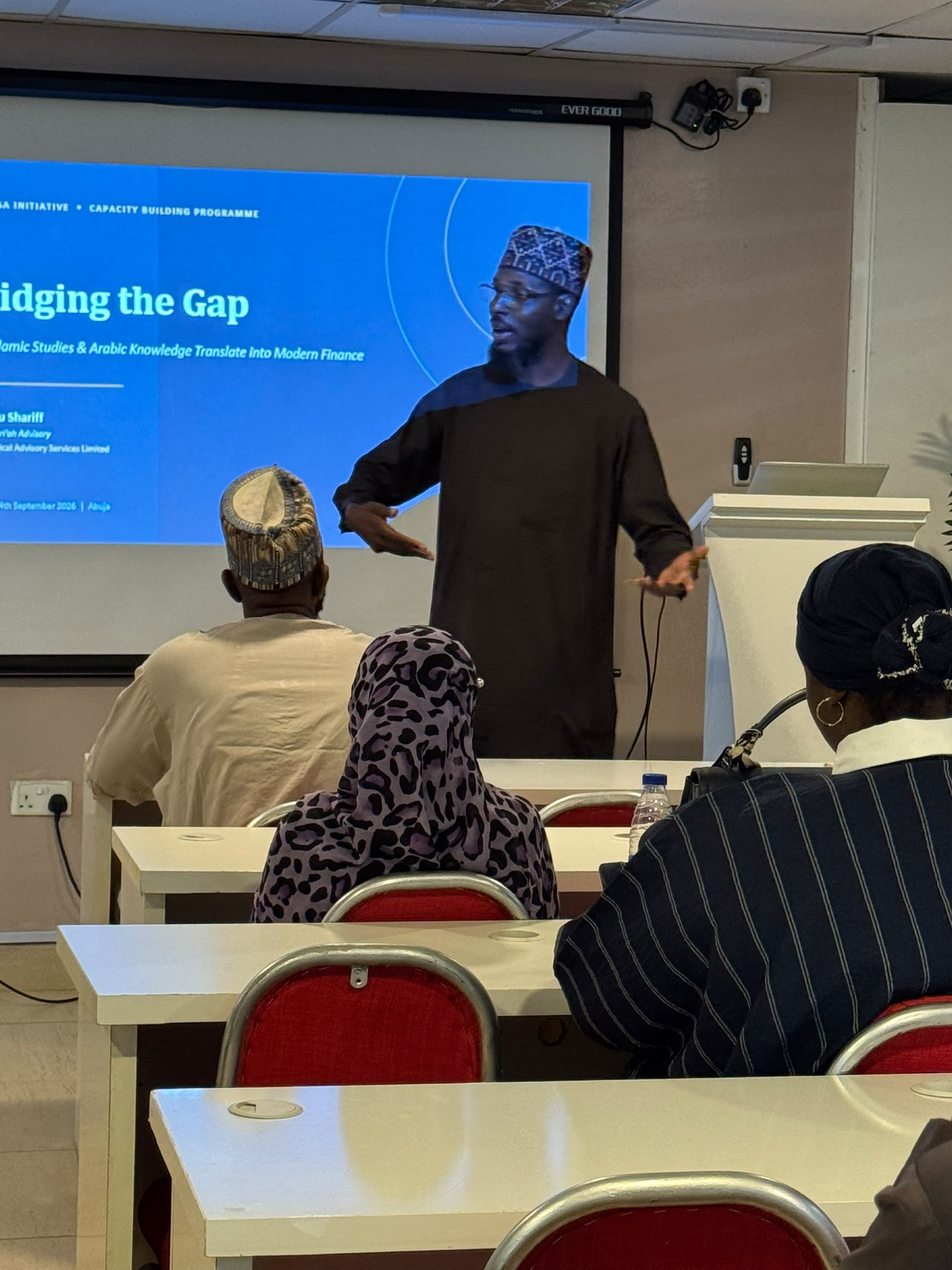
"From Islamic Studies & Arabic to Islamic Finance", led by Dr. Ali Audu Sahrif of One17 Capital. It connected Islamiyya lessons and Arabic training to roles such as Shari'ah compliance officer and internal auditor.
"Packaging, positioning and telling your story for relevance", led by Daniel Black of Growth For Sustainable Agriculture Initiative. It focused on how to present what you already bring when you approach employers and the sector.
"Takaful: How the Sector Works, Roles Available, Entry Requirements and Career Path", led by Abubakar Abdullahi Owuna of Crown Takaful Insurance Ltd. It gave participants a clear picture of the sector, the roles in it and how to enter it.
A session on trusteeship from Al-Ameen Trustees Limited, which introduced at least one participant to an area of Islamic finance they had not understood before.
The programme also covered the regulatory environment, Islamic contracts, Islamic banking products, financing and asset management.
FROM EXISTING KNOWLEDGE TO NEW OPPORTUNITIES
One of the strongest themes in the feedback was that participants' existing academic background turned out to be relevant to the industry. The session "From Islamic Studies & Arabic to Islamic Finance" was among the most mentioned. Respondents highlighted how it connected prior learning, including Islamiyya lessons and Arabic training, to areas such as Shari'ah compliance and internal auditing. One participant took away that no knowledge is wasted. Another came away understanding that there are diverse pathways into the industry.
“The Da Hausa Literacy Initiative (DHI) lived up to her name. This workshop broaden the horizons of Arabic and Islamic Studies specialists on the infinite opportunities for them Islamic Finance Industry.” - Fatih Adeyemo Lawal-Garu, participant
Another participant described the workshop as one that “effectively connected academic principles with financial industry practices”, and called it indispensable for anyone aspiring to a career in non-interest-based finance.
TELLING YOUR STORY
Knowing the sector is only half of the task. Candidates also need to explain what they already bring. In "Packaging, positioning and telling your story for relevance", Daniel Black worked with participants on exactly that. Looking back, he pointed to the open interaction segment as one of the things that worked best, a sign that people engage most when they can talk, ask and respond. Both facilitators who completed the feedback form rated participant engagement 5 out of 5.
LEARNING FROM PRACTITIONERS
The workshop placed strong emphasis on practical exposure. Participants highlighted the sessions on Takaful, trusteeship, Islamic banking, financing and asset management, alongside the regulatory and Islamic-contract sessions.
Trusteeship: the Al-Ameen Trustees Limited session introduced at least one participant to trusteeship as an area they had not previously understood.
Takaful: the session by Crown Takaful Insurance Ltd was described as comprehensive and interactive.
Regulation and contracts: participants valued the explanation of the regulatory environment and structures, and Islamic contracts explained from beginner level and tied to Nigeria.
Banking, financing and asset management: these sessions gave practical perspectives on investment management and financial operations.
This approach helped move the conversation from "what is Islamic finance?" to a more practical question: where can I fit into the industry?
FROM LEARNING TO ACTION
Participants did not stop at gaining information. Many named specific actions they plan to take:
Network: connect with people in the industry.
Gain experience: seek practical experience and volunteering opportunities, and read and learn more about Islamic finance.
Apply: apply for jobs and internships. One participant was already sending internship and entry-level requests to Islamic finance organisations.
Certify: pursue Islamic finance certifications and careers in non-interest finance and Shari'ah compliance.
Share: pass what they learned on to peers and students.
One reflection stood out: certification matters, but practice and the value you deliver matter even more.
VOICES FROM THE ROOM
“It was truly an insightful experience. I got to interact with industry experts and was able to understand things I could never have read in a book. I understood the diverse pathways into Islamic finance and where I could begin my own journey into the foray.” - Abubakar Rukkaya Salihu, participant
“It was a great privilege to be part of the Islamic Finance workforce workshop. The knowledge, practical insights, and valuable engagements have further strengthened my understanding of Islamic finance and its role in shaping the future of our financial sector.” - Abduljalal Lawal, participant
“Being a free of charge training, at first I doubted whether it would be impactful. But sincerely, I couldn't appreciate you enough for the remarkable milestone.” - Yahaya Suleiman Salihu, participant
“DHI should sustain this laudable initiative.” - Abubakar Abdullahi Owuna, facilitator, Crown Takaful Insurance Ltd
WHAT THE FEEDBACK SAYS
In the first responses we reviewed, everyone rated the workshop 4 or 5 out of 5 and everyone said they would join another DHI Islamic finance programme. Participants scored overall quality and facilitators highest. Understanding of career pathways and confidence to take the next step were slightly lower, which tells us participants enjoyed the workshop more than they feel ready to act on it. That gap is where we should focus. One participant also asked us to begin with the basics, which tells us some participants need a stronger starting point.
Feedback is self-selected and represents the participants and facilitators who chose to respond, not every attendee.
WHAT YOU TOLD US, AND WHAT WE ARE LOOKING AT
Time was tight, and the Friday Jumu'ah schedule made the day feel rushed. We are looking at scheduling around Jumu'ah prayers, adding buffers and considering weekend dates.
Participants asked us to confirm attendance and make sure every attendee gets a certificate. We are looking at a clearer attendance and certificate process.
Participants asked us to use the registration form data rather than asking for details verbally. We are looking at collecting participant details once, at registration.
Participants asked for the basics, more case studies, more Q&A and more experts. We are looking at a short foundations segment and more practical sessions.
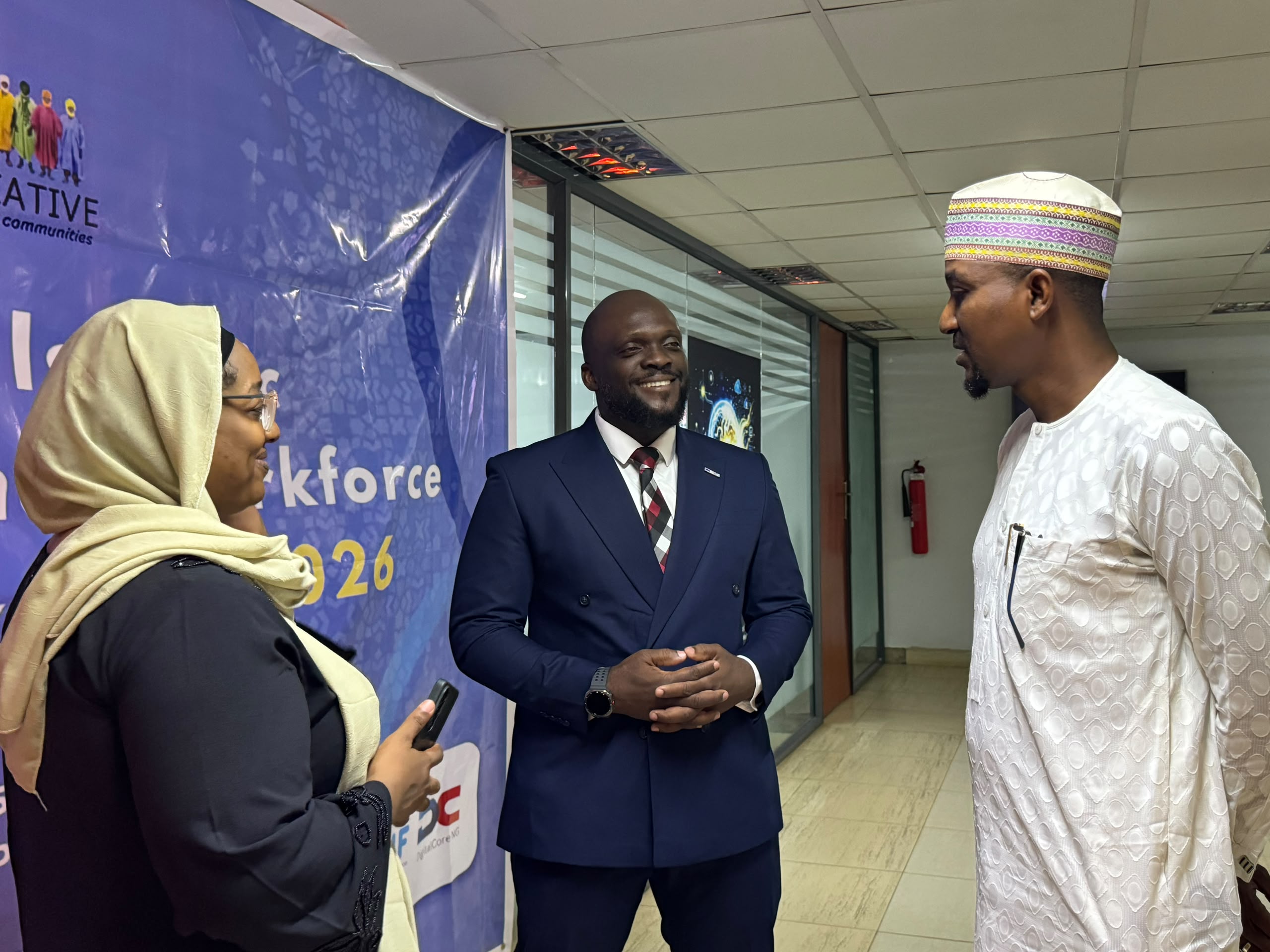
Participants and facilitators asked us to connect participants with employers and follow up on their progress. We are looking at bringing employers and facilitators closer to participants and following up after the workshop.
A SHARED COMMITMENT TO THE NEXT STEP
The workshop was supported by BAS Financial Services and Digital Core as sponsors, with Al Ameen Trustees and NEXTIF as partners and AlHuda CIBE as media partner. Two facilitators who completed the feedback form rated workshop organisation, participant engagement and relevance to current Islamic finance workforce needs 5 out of 5. One named the venue and facilities as a strength, and both said they would support a future programme.
To our sponsors, partners, media partner, facilitators and participants: Mun gode sosai.
For DHI, the workshop is part of a broader commitment to making knowledge more accessible and connecting communities with opportunities for growth. The goal is not simply to hold workshops, but to create spaces where knowledge becomes understandable, relevant and actionable.
The two-day programme may be over, but the work continues. Follow us on Instagram (@dahausainitiative) and LinkedIn (Da Hausa Initiative), visit https://www.dahausainitiative.org, and tell us your story. If you attended, we would love to hear what you have done since.
Da Hausa Initiative (DHI)
Simplifying concepts. Strengthening communities.